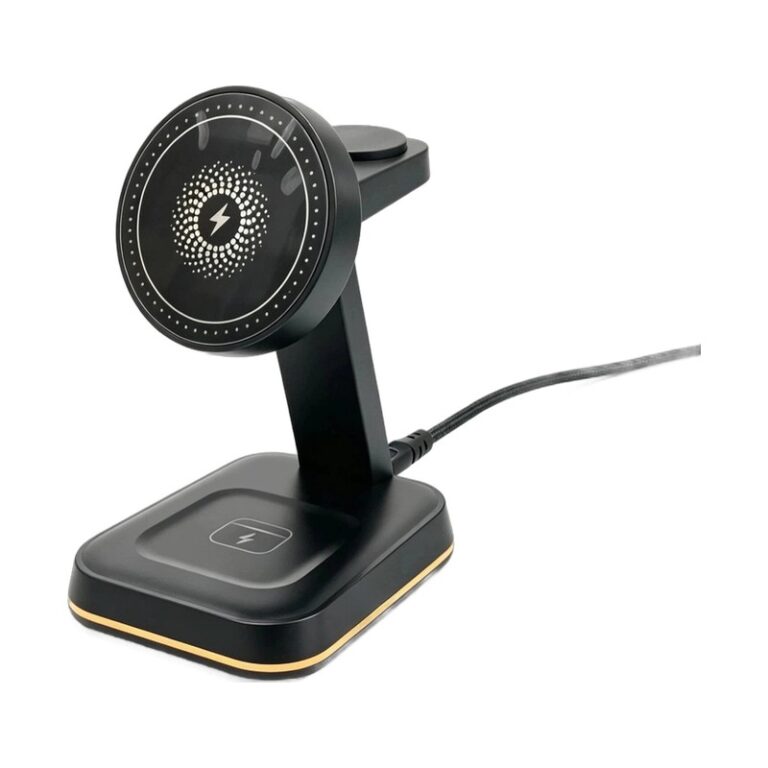
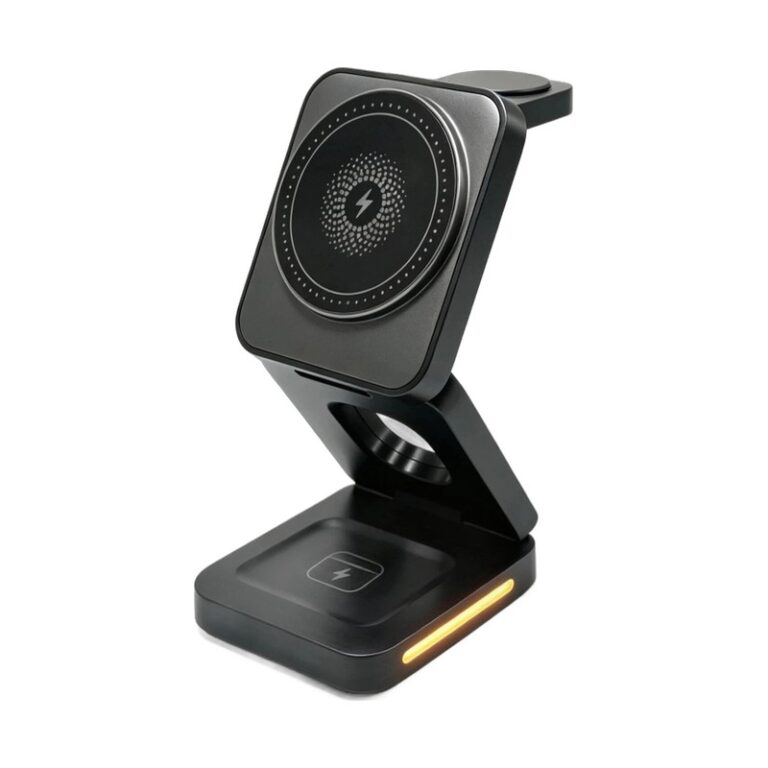
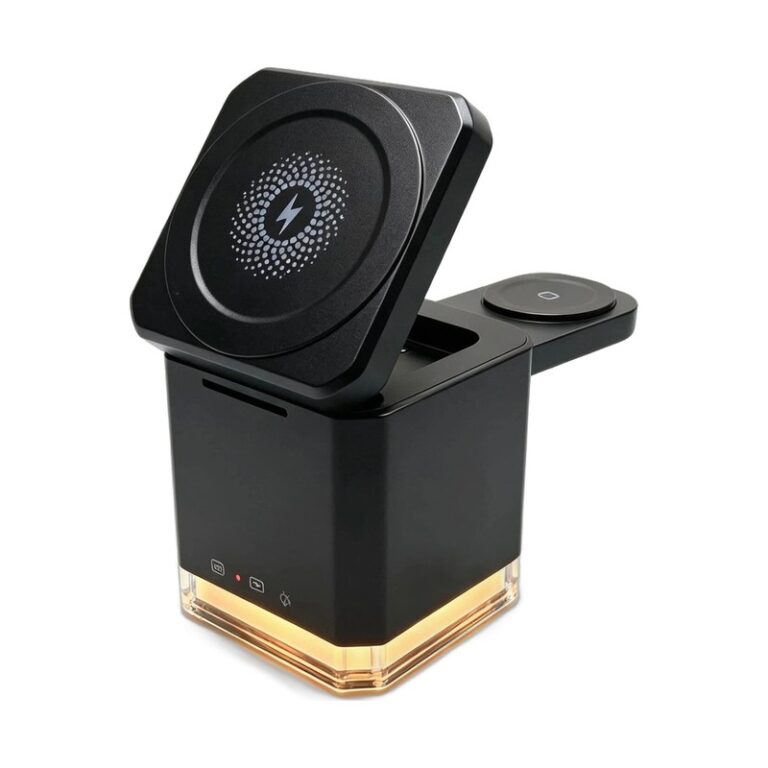
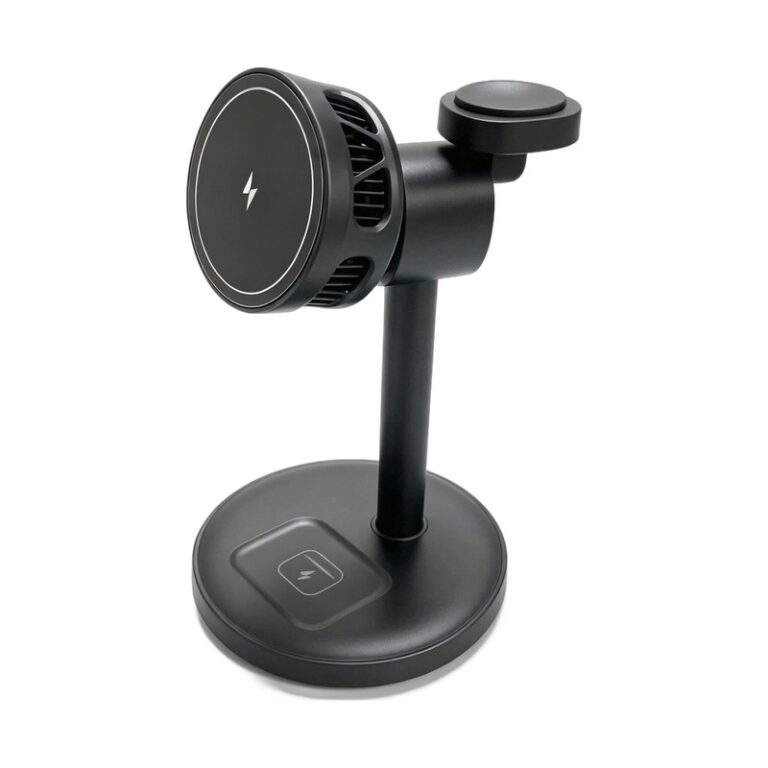
A wireless charger factory audit should verify more than a supplier’s business license or assembly capacity. For B2B buyers, the most important question is whether the factory can repeatedly control coil position, magnet alignment, temperature, firmware, safety protection and final inspection across every production batch.
Quick answer: before approving an OEM wireless charger order, buyers should audit 15 areas covering engineering, incoming materials, process control, testing, traceability, packaging and corrective action. The checklist below can be used during a factory visit, video audit or pre-production review.
1. Product engineering ownership
Ask who owns the mechanical, electrical and firmware design. A capable supplier should identify the engineer responsible for coil layout, thermal design, charging protocol behavior and product structure. Buyers should also confirm how design changes are recorded and approved.
2. Coil-position control
Wireless charging performance depends heavily on alignment. Review the fixture used to position the transmitter coil and confirm that the factory measures coil location against an approved drawing. For magnetic products, inspect the relationship between coil center, magnet ring and housing.
3. Magnet grade and polarity inspection
For magnetic chargers, the supplier should control magnet material, dimensions, polarity and assembly direction. A visual check alone is not enough. Request the inspection method, acceptance limits and records used for incoming magnet batches.
4. PCB and component traceability
Confirm how the factory records PCB version, IC batch, firmware version and key component suppliers. Traceability helps isolate affected units if a component change creates charging, temperature or compatibility problems.
5. Incoming quality control
Review sampling plans for plastics, metal parts, cables, adapters, coils, magnets and electronic components. The audit should show who inspects incoming materials, what is measured and how nonconforming parts are separated.
6. First-article approval
The first unit from every line setup should be checked against the approved sample and specification. Verify that mass production does not begin until dimensions, appearance, function and labeling pass the first-article review.
7. Assembly fixtures and error prevention
Fixtures should reduce variation in coil placement, adhesive pressure, screw torque and housing alignment. Look for poka-yoke or other error-proofing methods that prevent reversed magnets, incorrect cables or mixed components.
8. Charging-performance testing
Ask the factory to demonstrate testing with representative phones, cases, earbuds and watches when applicable. A pass result should cover stable charging, alignment, power behavior and abnormal interruption—not only the appearance of a charging icon.
9. Thermal validation
Review how surface and internal temperatures are measured during sustained charging. The test record should identify the adapter, cable, device, ambient temperature, starting battery level, duration and protection response so results can be repeated.
10. Safety-protection checks
Confirm verification of overcurrent, overvoltage, overtemperature and foreign-object responses where applicable. Buyers should understand what happens during a fault, how the unit recovers and whether indicator behavior matches the user instructions.
11. Mechanical durability
Foldable stands, rotating joints and car mounts need repeated-use testing. Inspect hinge-cycle, insertion, removal, vibration, drop and cable-bending methods that match the product’s intended application.
12. Appearance standards
Agree on limits for scratches, gaps, color difference, printing position and surface marks before production. A signed appearance sample and defect library reduce subjective decisions during final inspection.
13. End-of-line testing
Every unit should receive the defined functional checks before packing. Ask whether test stations record results by serial number or batch and how failed products are isolated, repaired and retested.
14. Packaging and label control
Verify barcode, model name, input requirements, language, warning text, accessories and carton marks against the approved artwork. Private-label buyers should also check how the factory prevents different customer packaging from being mixed.
15. Corrective-action process
A strong supplier should show how it investigates failures, identifies root causes and prevents recurrence. Review a recent internal quality issue and confirm that corrective actions were verified rather than simply closed on paper.
Documents to request before the audit
- Approved product specification and drawings
- Bill of materials and controlled component list
- Quality-control plan and inspection standards
- Firmware and PCB revision records
- Reliability and charging test reports
- Packaging artwork and master carton specification
- Production traceability format
- Corrective-action report template
How to score a wireless charger supplier
Use a simple red, yellow and green rating for each audit item. Red means production should not begin; yellow requires a dated corrective action; green means the control is documented and demonstrated. Give extra weight to coil alignment, thermal performance, protection behavior and traceability because these areas directly affect field performance.
Frequently asked questions
Can a remote video audit replace a factory visit?
A video audit can confirm equipment, process flow and key records, but buyers should still require sample testing and third-party or on-site verification when project risk, order value or destination-market requirements justify it.
When should the audit happen?
Complete the first audit before tooling or mass-production approval, then review corrective actions before the production line starts. Repeat targeted checks after major component, firmware or process changes.
Does a certificate replace production auditing?
No. Product or management-system certificates do not prove that every batch follows the approved construction and process. Certification and production control serve different purposes.
Turn the audit into a production-control plan
A useful audit ends with measurable controls, responsible owners and deadlines. Buyers can review ZZWSST’s wireless charger range and safety-check approach when defining an OEM project.
Planning a private-label wireless charger? Contact ZZWSST with your product type, target market, forecast quantity, branding and packaging needs to request a sample and production-validation plan.